Durham Cathedral Institute – Technology, AI and the Human Future. Wednesday 28th October 2026 – 7.30pm (19:30)
The last twenty years has seen a revolution in digital technology, from the invention of the smartphone to the development of Artificial Intelligence. This has challenged human self-understanding and dramatically influenced how we relate to each other. Some believe these new technologies present unrivalled opportunities in fields such as medicine. For others, they present a significant threat to jobs and education. Pope Leo XIV’s recent encyclical Magnifica Humanitas opens up many of these issues for public debate.
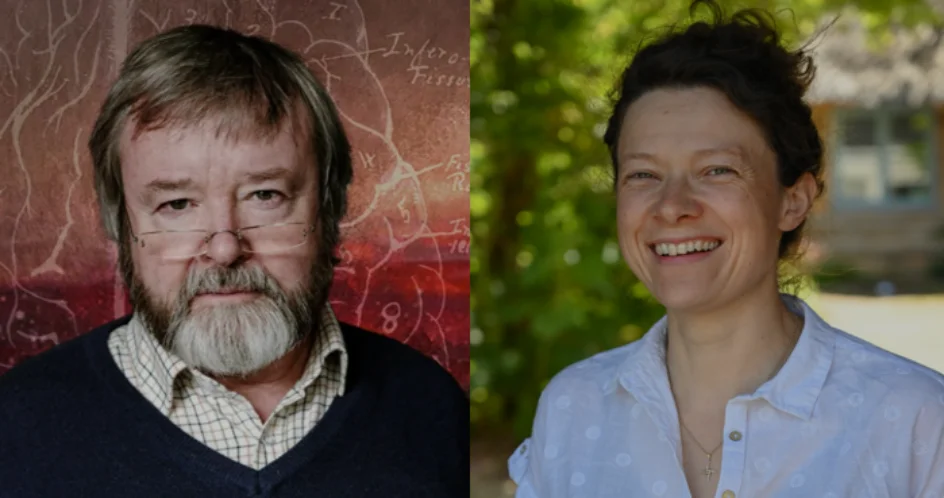
Hear from Iain McGilchrist, a former consultant psychiatrist, neuroscientist, philosopher and literary scholar, and Carmody Grey, Professor of Integral Ecology at Radboud University in The Netherlands and Visiting Professor at the London School of Economics.
If you are not a member of Channel McGilchrist and would like to join please click here.
Registration for this event is via the Durham Cathedral website – Registration required
This event is organised and Durham Cathedral
The last twenty years has seen a revolution in digital technology, from the invention of the smartphone to the development of Artificial Intelligence. This has challenged human self-understanding and dramatically influenced how we relate to each other. The government’s planned social media ban for under-16s reflects concern about the effect of digital technology on our culture. Some believe these new technologies present unrivalled opportunities in fields such as medicine. For others, they present a significant threat to jobs and education. Pope Leo XIV’s recent encyclical Magnifica Humanitas opens up many of these issues for public debate.
Join us at the Durham Cathedral Institute to discuss these crucial issues.
- How do we understand the human person in relation to Artificial Intelligence?
- How do we live well with emergent technologies?
- What are the threats, challenges and opportunities of these technologies?
- Is a theological perspective not only helpful, but necessary:
We welcome two outstanding speakers who are public experts in the fields of the ethics of technology, neuroscience, theology and philosophy.
Iain McGilchrist is a former consultant psychiatrist, neuroscientist, philosopher and literary scholar. In 2009, he published his groundbreaking workThe Master and His Emissary: The Divided Brain and the Making of the Western World. In 2021, Iain publishedThe Matter with Things: Our Brains, Our Delusions and the Unmaking of the World. In this celebrated work, he addresses some of the oldest and hardest questions humanity faces: Who are we? What is the world? How can we understand consciousness, matter, space and time? Is the cosmos without purpose or value? Can we really neglect the sacred and divine?
Iain is committed to the idea that the mind and brain can be understood only by seeing them in the broadest possible context, that of the whole of our physical and spiritual existence, and of the wider human culture in which they arise – the culture which helps to mould, and in turn is moulded by, our minds and brains. You can find out more about Iain’s work here.
Carmody Grey is Professor of Integral Ecology at Radboud University in The Netherlands and Visiting Professor at the London School of Economics. She has forged a global reputation in philosophical theology and theological ethics, with a focus on science, nature and environment. In 2023 Carmody published Theology, Science and Life,and her most recent book isPractices of Communion: The Task of an Integral Ecology. Carmody is a regular contributor to BBC Radio 4’sThe Moral Mazeand has recently written for the Financial Times and other national newspapers.
For Carmody, the term ‘Artificial Intelligence’ is a misnomer. Organic embodiment is constitutive of, not incidental to, human intelligence. Theology can enrich the conversation about technology with its holistic understanding of human being. It also helps to expose the quasi-religious ideologies and incentive structures which too often shape public debate.